


Welcome back to Slacker Stuff, a weekly column for professional creatives, heads of content, or anyone else aspiring to be a creative leader.
Back to Basics
Six years ago, I moved home to my parents’ house so I could focus on being a full-time solo YouTuber. I gave myself 6 months, from September 2019 to March 2020, when I would turn 26 and be kicked off of my parents’ health insurance. By the time March 2020 hit, I hadn’t yet made it big, and I’m sure you remember a certain global event that culminated at the same time... like many people, the pandemic forced me to take stock of what I was doing and I realized that the dream of being a full-time solo YouTuber was fading. I started working again, part-time, for ProfitWell, the company I had left 6 months prior.
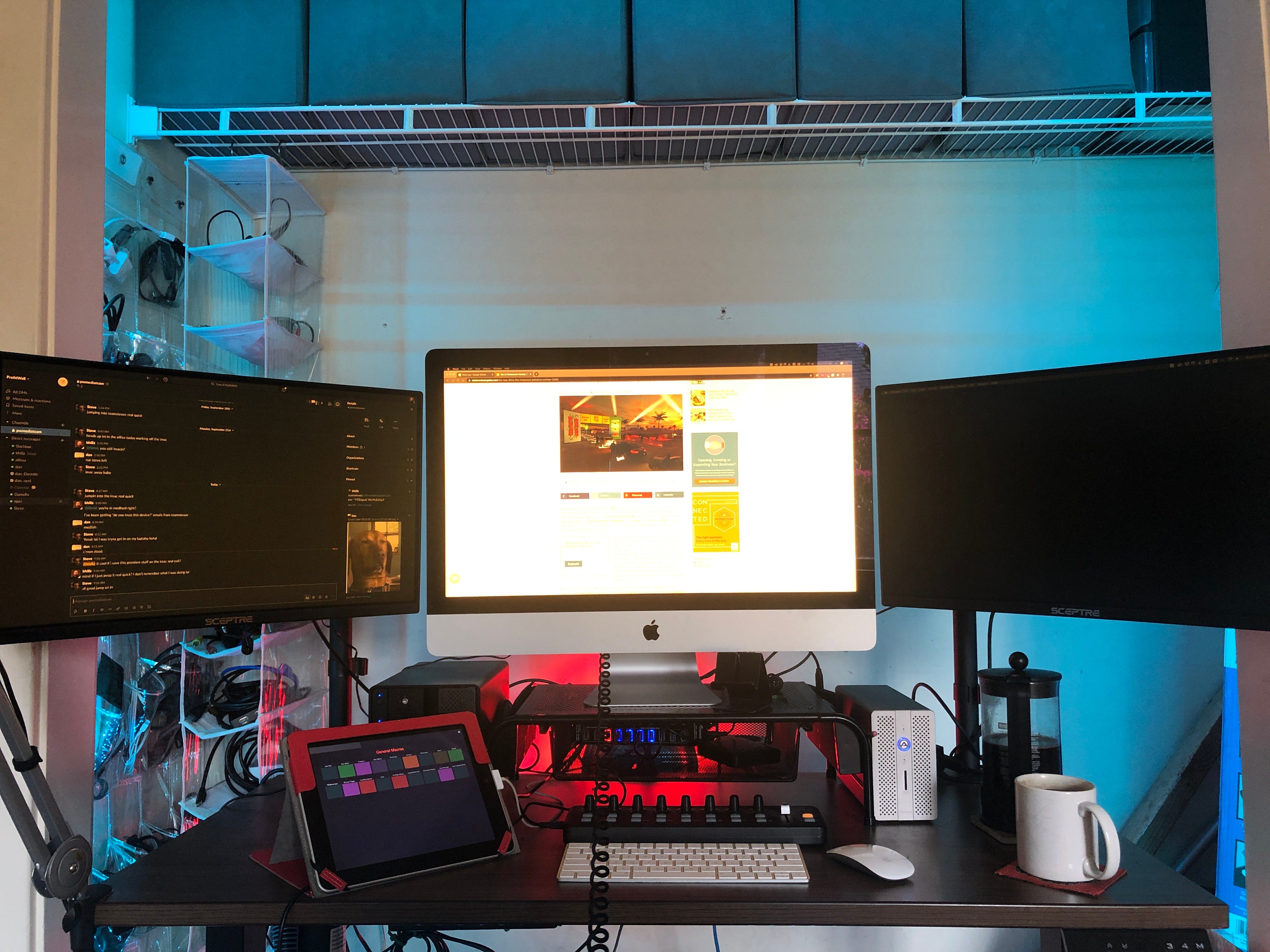
There was a brief transition period, where I was a part-time solo YouTuber and a part-time salaryman, still making YouTube videos but for a company, where I asked myself lots of questions like, “Is there even a full-time role for me to go back to at ProfitWell? Am I just giving up on my passion? Has all of this been for naught?” The entire world being shut down didn’t help the mental anguish.
In December of 2020, I basically got back the exact same job I had left a year earlier. It felt good that I could resume doing the work I had left, but the worry remained. Why was I helping other people tell their story when I could be telling my own? I missed the creative control I’d experienced doing my own work. I wanted to be the conductor of the orchestra, making sure all of the instruments were humming along together.
What happened over the next five years was a tornado of Ozian scale that I’m only coming to terms with now as I figure out where all of Dorothy’s things go.
As I found myself back in the throes of start-up life, working still from my parents’ home, I slowly built up an idea of where I wanted to go. If I wanted to be the one calling the shots, I needed to make sure I had my personal affairs in order first. For folks who have attended therapy or done any sort of self-improvement, you may be familiar with the oxygen mask metaphor. We’ve all seen those safety demonstrations on airplanes, the ones where they say, “Make sure to put on your own oxygen mask before helping others.” Basically, if you want to be a productive member of society, or just at the very least want to not be a burden on others, handle your own shit first.
If I wanted to be the guy in charge of all the content, I had to make sure the content I was working on was in tip-top shape. I had to make sure I was mentally and physically well so I could accomplish what needed to be done. I built up a morning routine for myself and started working out regularly again, following the principle of “Just Show Up,” which you can read more about here.
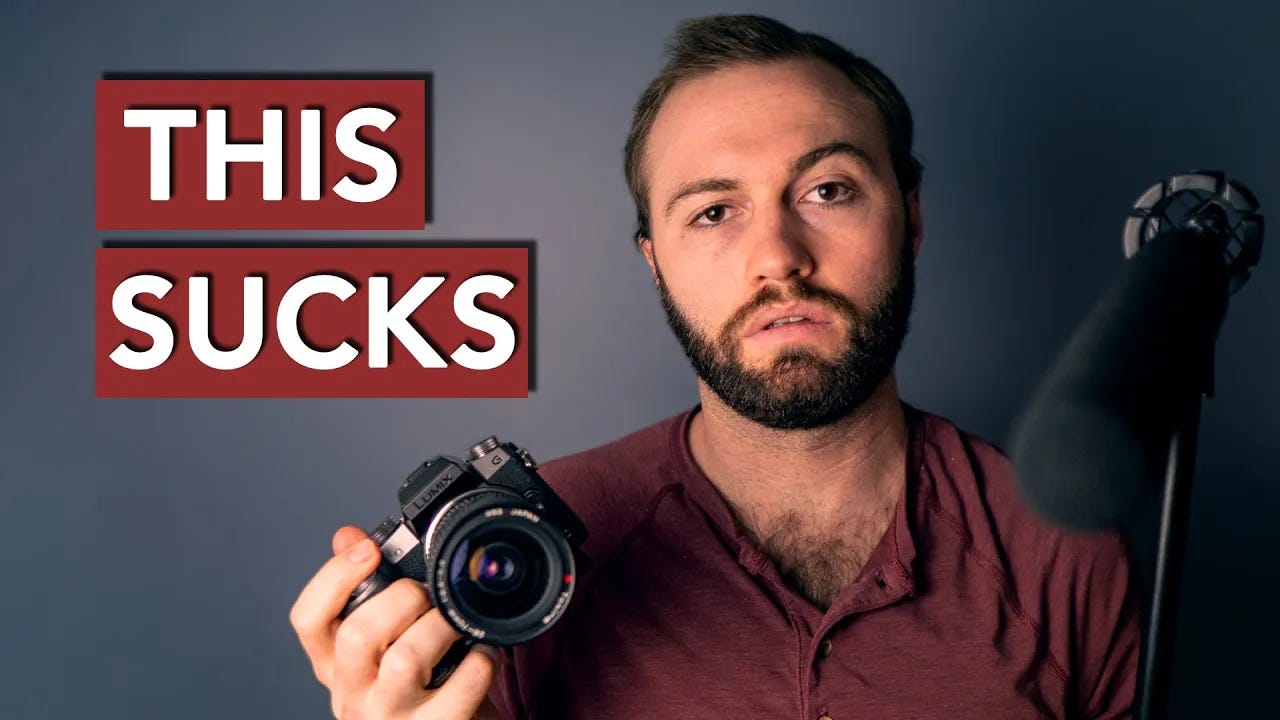
I made sure that when I was working, I was working. I minimized distractions and gave myself the proper space to “get shit done.” Part of this is environmental (having a clean desk, organized computer, clear to-do list), but that environment had to be paired with a mindset, one where I took the work I was doing, no matter how big or small, seriously. My responsibilities at the time included cutting out the “ums” and “ahs” of dialogue, coloring the footage, adding in graphics, music, sound effects, and a bunch of other tiny little tasks.
My focus became making sure that the programming I was responsible for was as clear and effective as possible to help communicate the overall message of the company. Our goal was to convince the world of our expertise, to command an authority in our field. The moat that we built was largely through the content I had a hand in creating. Shows that focused on product retention (like Boxed Out) and product monetization (like Pricing Page Teardown) drove that authority.
Sometimes the work was monotonous; focusing on “ums,” “uhs,” and graphic treatments could make it feel like the episodes of the show I was editing would blend together. I would question why creating this content was even worth it. How did any of this help make money for the company?
In May 2022, ProfitWell was purchased by Paddle for $200m. Turns out putting my dream of being a solo-creator on pause was worth it. At the time of the acquisition, Christian Owens, Paddle’s co-Founder, said, “Having created the number one subscription metrics product in the market, and cemented its reputation as a renowned authority on revenue growth in the $400 billion SaaS industry, ProfitWell will add considerable value to our offering.”
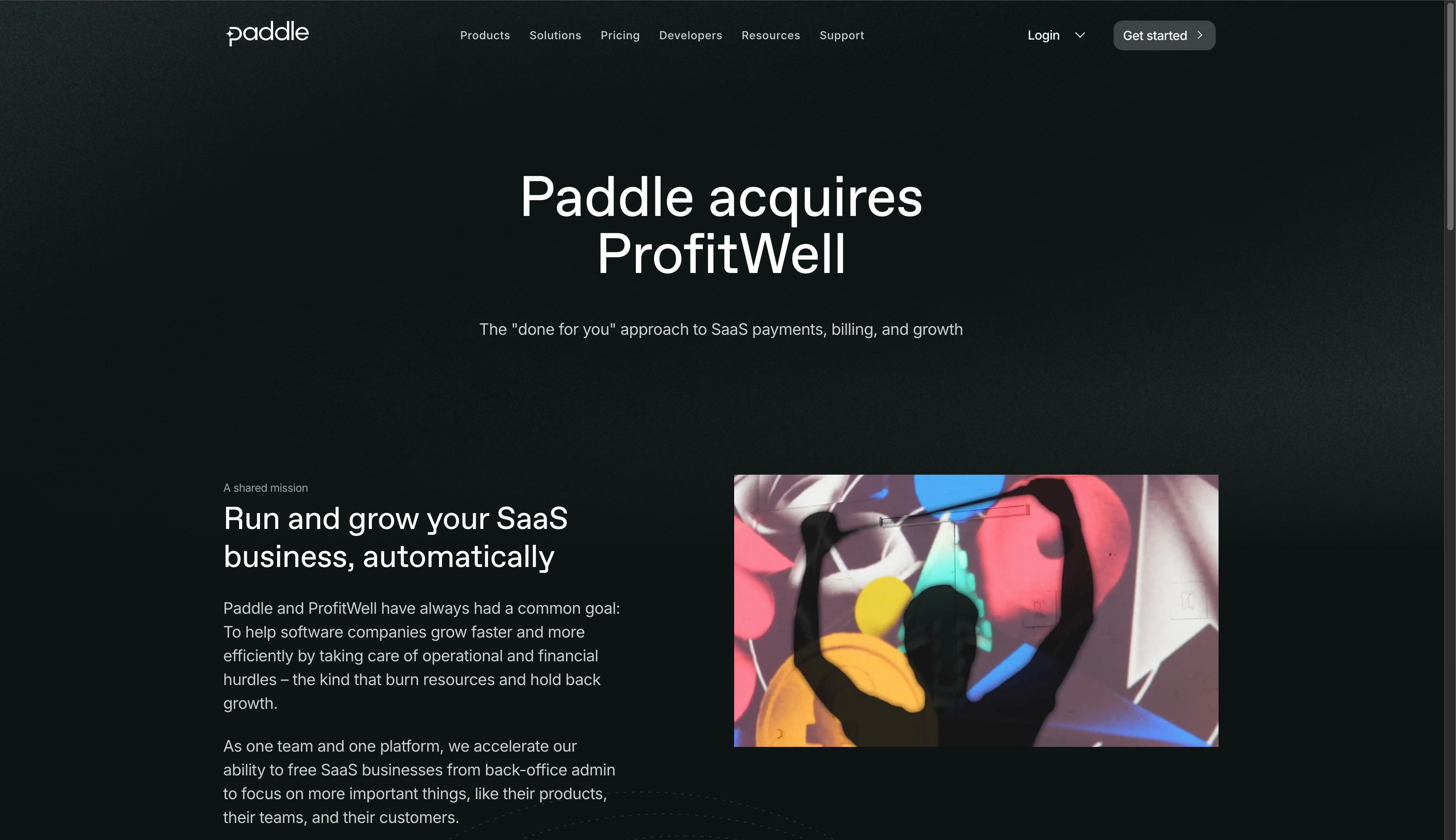
Art does not need a monetary value assigned to it in order to be important. However, for someone like myself who does this for a living, it’s validating to see the work I do valued in such a way. I have personally been told that the content I helped create at ProfitWell had a major part in the decision to acquire the company.
I know in my soul that I do important work, but when I start to think about what really “matters” I certainly understand that there are more important things in life than making YouTube videos and writing Substack columns (we don’t have to list them but I’m sure we can agree that a doctor is doing much more important work than a videographer). I don’t say this to belittle my own work; I say it because it helps me keep things in perspective.
Today, my role is Director of Programming for Mostly Media. I’m not a full-time solo YouTuber, but my full-time job is to create for YouTube. I am paid a healthy sum each month, making more money than I ever had. I’m privileged to be in this position, I’ve been afforded many opportunities and had doors opened for me that I do not take for granted. That’s part of the reason I take my work so seriously. I’ve been given the opportunity of a lifetime to be doing creative work in a professional capacity and be compensated handsomely for it.
I know now that the small tasks that used to blur together, the “ums” and the “ahs” that I make sure are edited out of the videos I make, are not the most important work that I do when looked at by themselves. That sort of editing complements the music I add, the sound effects I put in, the graphics that transition topics and underline certain points. The clarity of the message that is being delivered is the most important focus, and if the little things don’t get paid attention, then the resulting lack of clarity means that all the monotony is for naught.
Perhaps someday I will be afforded the opportunity to create for myself full-time, but I am not in any rush to do so. It’s an incredibly valuable experience to help others tell their stories and create content that drives authority. I’m operating at a higher level than I was 5 years ago, and I’m still learning so much. I am now the guy who is in charge of all the content. I get to decide what we produce and how we produce it, but I only got to this point because I cared about the details. I didn’t advance in my career because I removed “ums” and “ahs”, I got promoted because I treated it like it mattered, because it does.
If you want to be the person in charge of content, you have to be responsible for outcomes. Authority comes from making other people sound smart, clear, and credible. Focusing on the details and making sure the product is good is the path forward. It’s not a waste of time to help other people tell their stories; it’s an effective way to figure out what works and what doesn’t.
Treat your work seriously and others will too.
I’m glad you’re here.